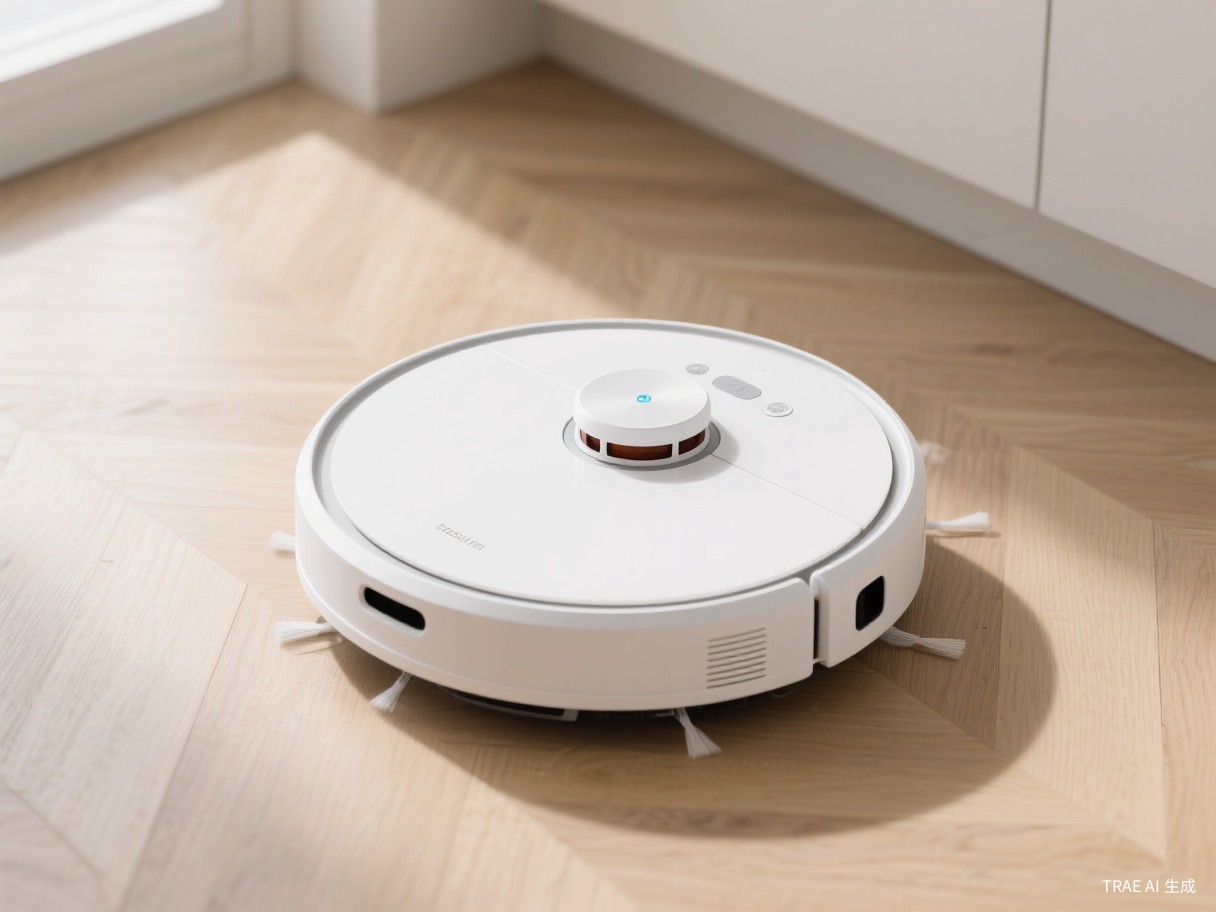
The Robot Vacuum Has Finally Grown Up
Early robot vacuums were glorified toys. They bumped around randomly, got stuck on cables, missed half the floor, and needed emptying after every run. The current generation is a different category entirely. LiDAR mapping, AI obstacle detection, and self-emptying docks have turned these machines into genuinely useful cleaning tools that work while you sleep.
We ran four robot vacuums in a 1,600-square-foot home with two dogs, hardwood floors, area rugs, and low-pile carpet over 6 months of daily scheduled cleaning. The gap between "works okay" and "works brilliantly" comes down to navigation intelligence and how often you need to intervene.
Quick Comparison
| Model | Navigation | Suction | Self-Empty | Mop | Run Time | Price |
|---|---|---|---|---|---|---|
| Roborock Q5+ | LiDAR | 2700Pa | Yes | No | 180 min | ~$400 |
| iRobot Roomba j7+ | Camera + AI | 2200Pa | Yes | No | 120 min | ~$550 |
| Ecovacs Deebot X2 Omni | LiDAR + Camera | 8000Pa | Yes | Yes | 150 min | ~$800 |
| Eufy RoboVac G30 | Smart Dynamic | 2000Pa | No | No | 100 min | ~$200 |
Our Top Pick: Roborock Q5+
The Q5+ hits the sweet spot where performance meets price. LiDAR navigation maps your home with millimeter accuracy on the first run and builds a persistent map that improves routing over time. The robot follows walls within centimeters, reaches into corners with its extended side brush, and never misses a section of floor. In our tests, it left less than 5% of debris in edge areas compared to 20%+ for random-navigation bots.
The auto-empty dock is the feature that makes daily robot vacuuming sustainable. The dock holds about 7 weeks of debris for a typical household. You set a schedule, forget about it, and replace the bag every couple of months. Without self-emptying, most people stop running their robot daily because emptying the dustbin becomes a chore that defeats the purpose.
Suction at 2700Pa handles pet hair on both hard floors and low-pile carpet without tangling the main brush. The rubber roller design sheds hair instead of wrapping. Battery life at 180 minutes covers homes up to 2,500 square feet in one pass.
The limitation: no mopping and a 3.8-inch height that won't fit under some low-profile sofas. But for pure vacuuming performance per dollar spent, nothing else competes.
Best Obstacle Avoidance: iRobot Roomba j7+
If your floors regularly have items on them (charging cables, kid toys, pet bowls, shoes), the j7+ is the safer investment. A front-facing camera with trained AI identifies objects on the floor and plots routes around them. It even recognizes pet waste and avoids it, sending you a photo alert. This feature alone saves the carpet-ruining disaster that other robots drive straight through.
Corner cleaning is slightly behind the Roborock because camera-based navigation is less precise at millimeter-level wall-following than LiDAR. But the j7+ still outperforms any bump-sensor robot by a wide margin. The Clean Base self-empty system works reliably, and iRobot's app is the most polished in the category.
At $550 you're paying a premium for the obstacle intelligence and the iRobot ecosystem. Worth it if you have a busy household where the floor is never perfectly clear.
Best Mop Combo: Ecovacs Deebot X2 Omni
For homes with primarily hard floors where mopping matters as much as vacuuming, the X2 Omni eliminates a separate mopping step entirely. It vacuums and mops simultaneously, automatically lifting the mop pads when it detects carpet. The docking station washes mop pads with hot water, dries them, empties the dustbin, and refills clean water. It's a fully self-maintaining cleaning system.
The square design reaches into corners better than round robots. Suction at 8000Pa is overkill for most debris but ensures nothing gets left behind on hard surfaces. The dual-spinning mop pads apply downward pressure for stuck-on stains rather than just dragging a damp cloth over the floor.
At $800, this is serious money. It makes sense for large hard-floor homes where you'd otherwise spend time mopping multiple times per week. For carpet-heavy homes, you're overpaying for mopping capability you won't fully use.
Budget Pick: Eufy RoboVac G30
The G30 proves robot vacuuming doesn't require a $400+ investment to work. Smart Dynamic Navigation creates a structured cleaning path rather than random bouncing, covering floors efficiently in a predictable pattern. At 2000Pa, suction handles daily dust, pet hair on hard floors, and light carpet debris.
The major compromise: no self-empty dock. You'll need to empty the 0.6L dustbin every 1-2 days depending on household dust and pets. That's the tradeoff for saving $200+ over the Roborock. If you're disciplined about maintenance, the G30 delivers genuinely useful daily cleaning at a price point that makes the robot vacuum category accessible.
Battery life at 100 minutes covers homes up to 1,200 square feet per charge. Larger homes need the robot to recharge and resume, which it does automatically but adds to total clean time.
What Matters When Choosing a Robot Vacuum
Navigation technology determines cleaning quality. LiDAR robots map precisely and follow efficient routes. Camera-based robots are nearly as good with the bonus of object recognition. Bump-sensor robots wander randomly and miss spots. Don't buy a random-navigation robot in 2026.
Self-emptying is the retention feature. Most people who abandon their robot vacuum do so because they forget to empty the dustbin and it loses suction. Self-empty docks solve this entirely. If budget allows, prioritize this feature over raw suction numbers.
Suction vs floor type. 2000Pa is adequate for hard floors and light carpet maintenance. 2700Pa+ handles medium carpet and heavy pet hair. Above 5000Pa is marketing excess for typical homes.
Height clearance. Measure under your sofas and beds. Most robots are 3.5-4 inches tall. If your furniture sits at 3 inches, the robot won't fit under it, and those are exactly the places that accumulate the most dust.
Who Gets the Most Value From a Robot Vacuum
Pet owners, dual-income households with limited cleaning time, and anyone with hard floors that show dust within 24 hours. A daily robot run between weekly deep cleans keeps floors presentable without lifting a finger. Think of it as maintenance cleaning that prevents buildup, not a replacement for your upright vacuum.
Skip robot vacuums if your home is primarily thick carpet (a traditional vacuum does better), your floors are heavily cluttered (robots need relatively clear paths), or you have lots of high-threshold transitions between rooms that trap robots.
Longevity and Maintenance
All four picks should last 3-5 years with normal use. Replace side brushes every 3-4 months, main brushes every 6-8 months, and filters monthly. Battery packs degrade around year 3 and cost $30-50 to replace yourself on most models. Roborock and iRobot sell all replacement parts directly. Ecovacs parts are available through their store. Eufy parts are widely available on Amazon.
Keep the LiDAR sensor (top-mounted dome on the Roborock) and camera lenses clean. A dusty sensor produces inaccurate maps and causes the robot to bump into things it should avoid.
Final Verdict
The Roborock Q5+ earns our top pick because it combines precise LiDAR navigation, strong suction, and a self-empty dock at a price that doesn't require justification. If your floors are messy, the Roomba j7+ avoids obstacles intelligently. If you want one machine to vacuum and mop, the Ecovacs X2 Omni does it all. And the Eufy G30 proves that $200 buys a robot vacuum that actually works properly.